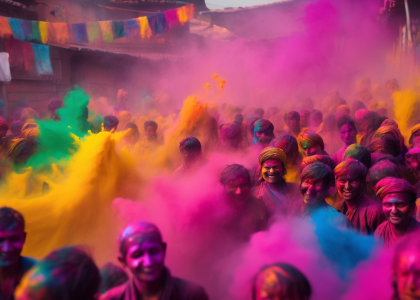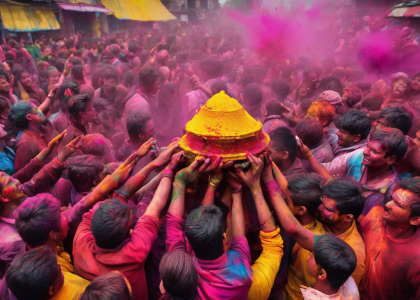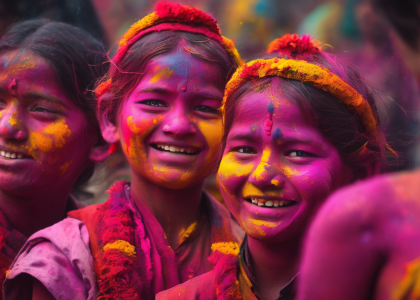
Holi, also known as the festival of colors, is a popular spring festival celebrated in various parts of the world, including Nepal. This vibrant and joyous festival is not only a celebration of the arrival of spring and victory of good over evil, but also holds deep cultural significance for the Nepali people.
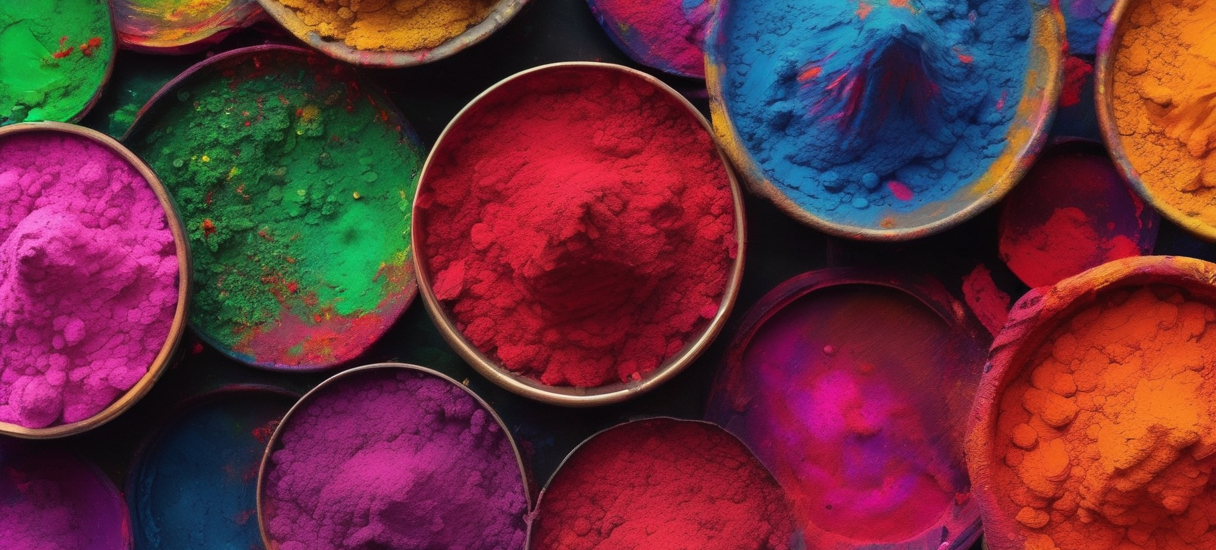
In Nepali culture, each color used during Holi holds a special meaning. Red symbolizes fertility and love, green represents new beginnings and prosperity, yellow is associated with healing and the color of turmeric, and blue represents the Hindu god Krishna and the sky. The throwing of these colors on each other during Holi is believed to bring good luck and blessings for the upcoming year.
Beyond just being a playful and colorful festival, Holi in Nepali culture is a time for people to come together, forget any past grievances, and strengthen relationships with loved ones. It is also a time for forgiveness and a fresh start, as well as an opportunity to let go of any negative energies and embrace positivity.
The significance of different colors used during Holi in Nepali culture goes beyond just aesthetic purposes. It is a reflection of the deep-rooted cultural values and traditions that are upheld by the Nepali people. This festival serves as a reminder to spread love, happiness, and to celebrate the diversity and richness of Nepali culture.